

In this video, I’ll share four ways in which the traditional letter-grade report card is getting in the way of powerful learning. I talk about my own experience working the system to get the grades, and how those maneuvers undermined my own learning.
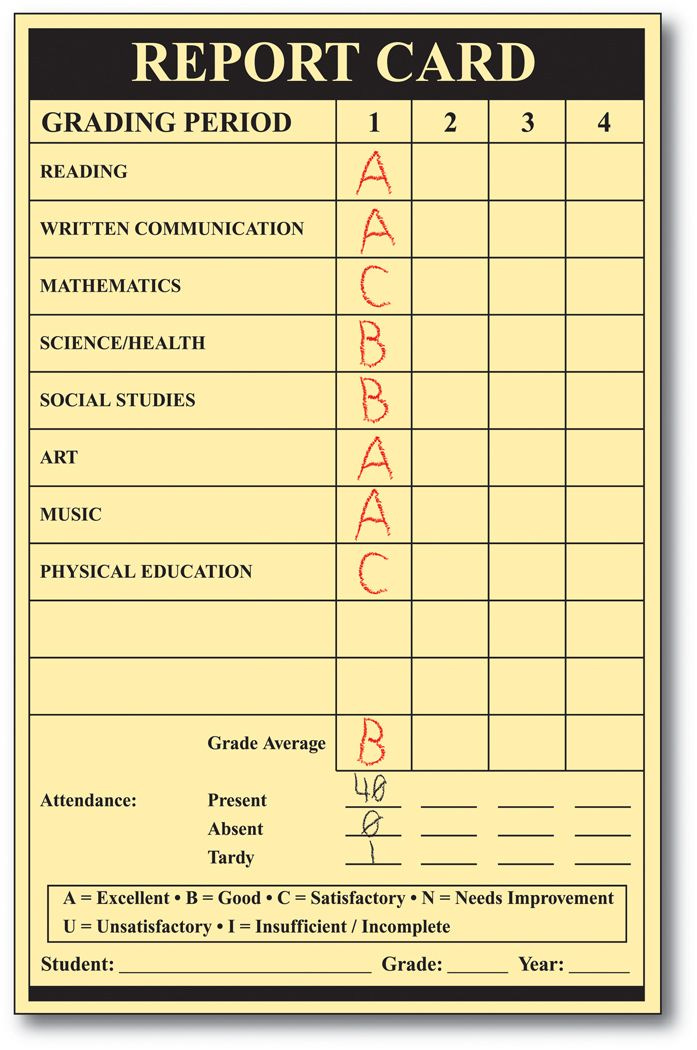
Watch the video to learn about four problems with the traditional report card:
Not actionable. It arrives after the final exam is graded and all the assignments are turned in. The ex post nature of the report card means the student can take no action after seeing the grade. At best, it could encourage a student to change things in future months or years, but that feedback loop is too long.
Drives fixed mindset. The psychological impact of receiving a letter grade you can no longer control drives children into a fixed mindset, in direct opposition to the growth mindset that has been proven to help human flourishing. If I have a C in a class, I conclude that I am simply not a good student, or that I am incapable of understanding that subject. There is no point to trying in the future. If I receive an A, I come to believe that I am “smart” so I don’t need to work hard in the future.
Feels arbitrary. Some teachers connect grades to the student’s demonstrated mastery of the subject matter. Others use a formula that considers class attendance, participation, effort, homework, quizzes, extra credit, etc. Some teachers use the grade as leverage in a power struggle. The inconsistency across (and within) classrooms undermines the effectiveness of letter grades.
Subverts connection. Teachers in a traditional classroom play the roles of evaluator and enforcer. This can be done with or without the student’s best interest at heart; either way, the structure of the relationship makes it very hard to build trust and develop psychological safety. Consider the difference between a basketball player’s relationship with the coach versus the referee.
Next time we’ll talk about how the report card could change to better align with the goal of empowering learners.


